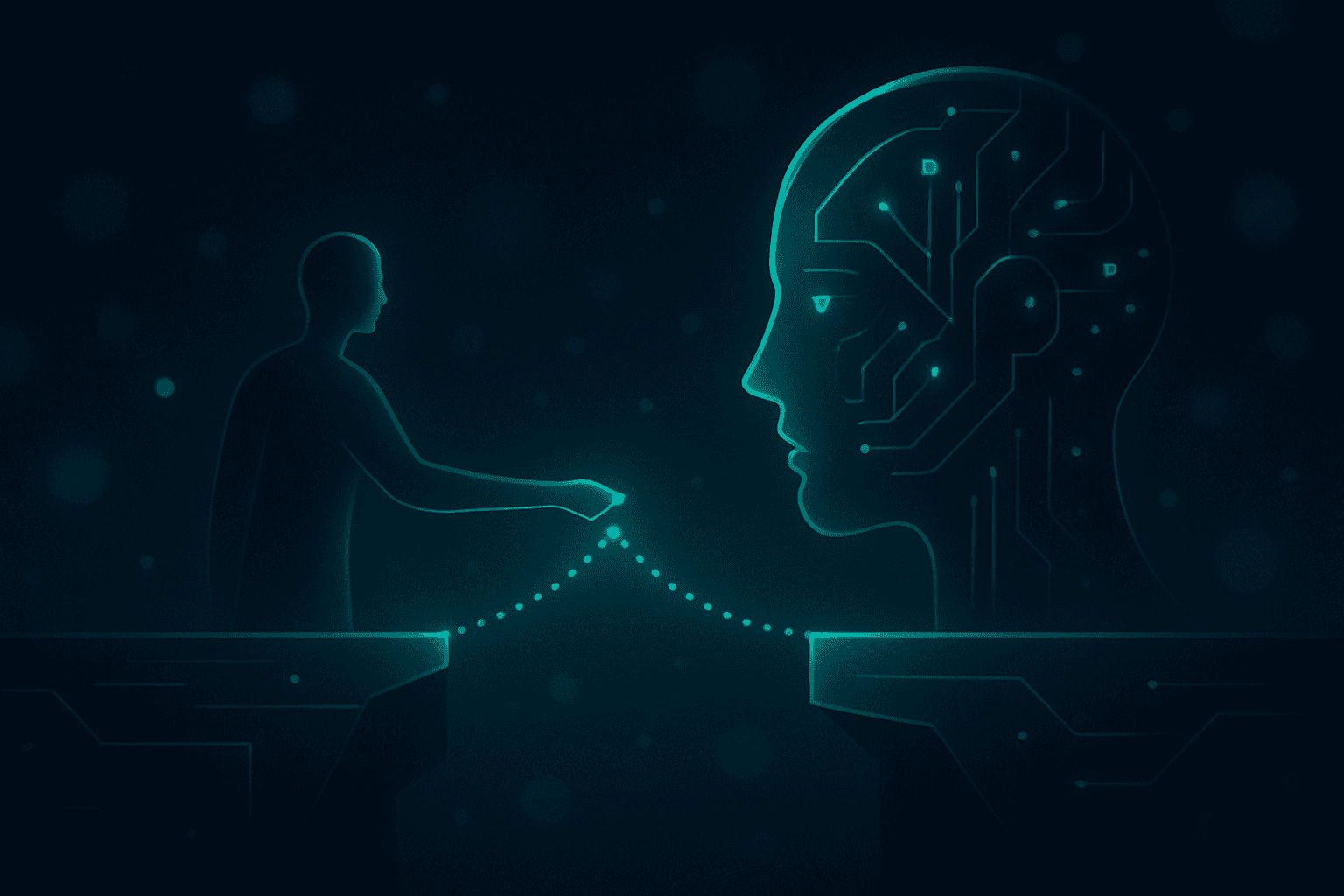
Bridging the Skills Gap in AI Integration Efforts
Introduction
As artificial intelligence continues to reshape industries and influence workforce dynamics, the urgency to address the skills gap in AI integration becomes increasingly apparent. Organizations find themselves at a critical juncture: while they recognize the transformative potential of AI, many lack the necessary human capital to harness its full capabilities effectively. Bridging this skills divide is not merely an operational necessity; it's a strategic imperative that will define competitive advantage in the coming years.
Understanding the Skills Gap
The AI skills gap refers to the disparity between the demand for skills needed to successfully implement and leverage AI solutions and the current supply of qualified professionals who possess these abilities. As indicated by the OECD (2025), many training programs are struggling to keep pace with the rapid technological advancements shaping the workplace. Key skills required for effective AI integration include both technical competencies, such as programming and data analysis, and soft skills, including critical thinking and collaboration.
This gap poses significant risk. Without a workforce that is adequately skilled, companies may face challenges in implementing AI solutions, leading to wasted investments and lost opportunities. Moreover, as AI systems become increasingly integrated into everyday operations, the demand for a hybrid skillset — combining technical prowess with interpersonal and analytical skills — will only heighten.
Strategies to Bridge the Gap
Continuous Learning Culture
Cultivating a culture of continuous learning is essential in today's fast-paced technology landscape. Organizations should invest in ongoing education and development programs that keep employees updated on the latest AI trends and tools. According to Deloitte's 2026 AI report, more than 50% of workers had access to AI tools in 2025, yet many lacked the knowledge to utilize them effectively.
By establishing training programs that promote skills in real-world applications, organizations can provide their teams with valuable learning experiences. For instance, Google has implemented a machine learning crash course for its engineers, equipping them with the skills to integrate AI technologies into their projects. Such proactive measures not only enhance employability but also allow companies to leverage the full potential of their existing workforce.
Tailored Training Programs
Recognizing that a “one-size-fits-all” approach to training often falls short, businesses should develop tailored training programs that address specific skill gaps within their teams. This customization can be achieved through collaboration with educational institutions, which can offer specialized courses aligned with the evolving demands of the job market.
For example, partnerships between universities and organizations, like the collaboration seen between IBM and several universities, have led to the creation of tailored curriculums focused on AI competences. These programs ensure that trainees gain knowledge that directly corresponds with market needs, ultimately enhancing their employability post-graduation.
Emphasizing Critical-Thinking Skills
The integration of AI will not only require technical skills but also critical thinking and problem-solving capabilities. As noted in a report by Gartner, organizations are expected to mandate “AI-free” skills assessments by 2026, highlighting the necessity for professionals who can engage in critical analysis and creative problem-solving.
Organizations can foster these skills through practical exposure — projects where teams collaborate to solve real-world problems using AI technologies not only enhance their technical abilities but also further develop their critical thinking.
Fostering Collaboration Between Stakeholders
Collaboration between various stakeholders, including educational institutions, industry leaders, and policymakers, will be vital in addressing the skills gap effectively. This multifaceted approach encourages the sharing of insights and resources that can lead to comprehensive skill development pathways.
For instance, programs like the National AI Initiative in the U.S. aim to create collaboration between government entities, educational institutions, and private sectors, facilitating the alignment of educational outcomes with workforce demands. Such initiatives demonstrate the importance of collective effort in eradicating the skills shortfall.
Encouraging Mobility Between Occupations
As AI continues to reshape labor markets, professionals must be encouraged to embrace mobility between occupations. This flexibility not only aids in diversifying skill sets but also enhances resilience against job displacement caused by automation. The IMF highlights the need for organizations to foster an environment ripe for occupational mobility, allowing individuals to pivot and adapt as industry demands shift.
In practice, this could involve developing cross-training initiatives or mentorship programs that allow employees to gain experience in different roles or departments. For instance, a data scientist could work alongside a marketing team to understand how AI can optimize customer engagement strategies, thereby gaining insights that are applicable across disciplines.
The Role of Technological Advancements
With the advent of new technologies, the avenues for skills development have proliferated. Online learning platforms, like Coursera and Udacity, provide accessible, affordable courses that can help individuals sharpen their AI knowledge and skills from anywhere in the world.
In many cases, organizations have begun to integrate these platforms into their training regimens, allowing employees flexibility in how and when they learn. This approach not only boosts morale but also allows individuals to tailor their learning paths based on their specific interests and career aspirations.
Conclusion
Bridging the skills gap in AI integration requires a concerted effort from all sectors. Organizations must invest in continuous learning, develop tailored training programs, and foster collaborations that enable the growth of essential skills.
As industries continue to embrace AI, equipping personnel with the necessary technical competencies and soft skills will be paramount. By following these strategic recommendations, businesses can effectively navigate the shifting landscape of skills requirements and emerge as leaders in the AI-driven future.
References
- OECD. (2025). Bridging the AI skills gap.
- IMF. (2026). Bridging Skill Gaps for the Future: New Jobs Creation in the AI Age.
- Gartner. (2026). AI Skills Gap 2026: Statistics, Causes & How to Close It.
- Deloitte. (2026). The State of AI in the Enterprise - 2026 AI report.
- BCG. (2025). Strategies to Tackle the AI Skills Gap.